

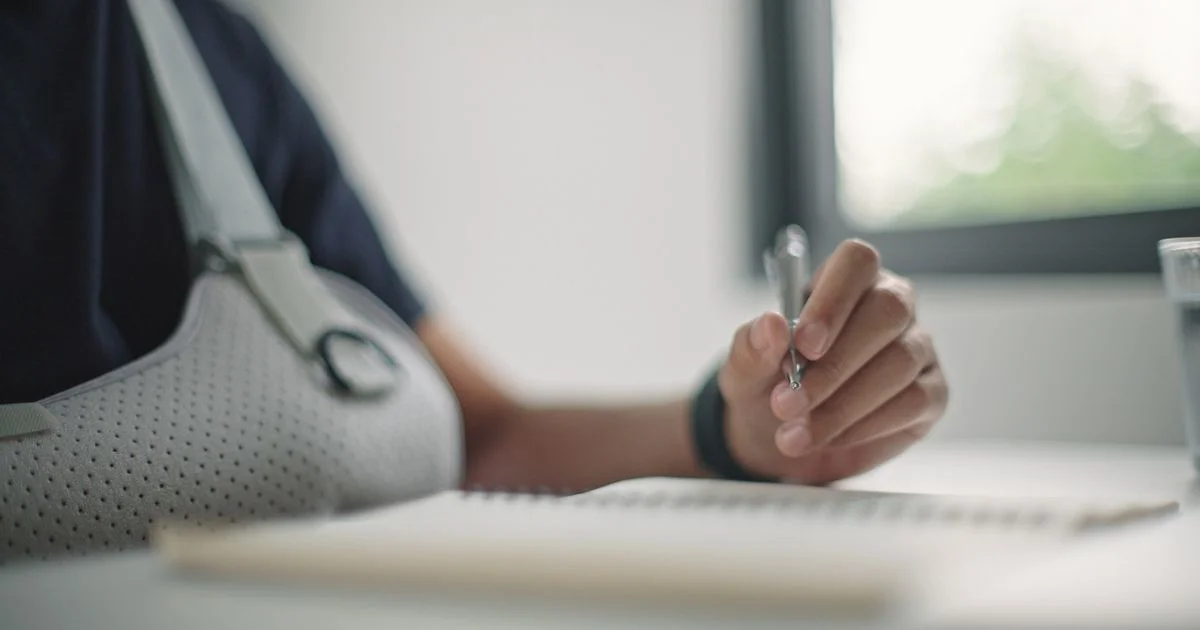
A slip and fall can happen in a matter of seconds, but the consequences may continue for weeks or months. An unexpected fall can leave you dealing with pain, medical appointments, missed work, and uncertainty about who may be responsible. If a hazardous condition contributed to the accident, determining whether you have a claim requires more than simply showing that you were injured. Several factors can affect whether a property owner or another party may be legally responsible.
Identifying the Hazard That Caused the Fall
The first step in evaluating a slip and fall claim is determining what caused the accident. Property hazards can take many forms, and the condition may not be obvious once the scene has changed.
Common examples include:
- Wet or slippery floors that were not properly marked
- Uneven sidewalks, flooring, or other walking surfaces
- Broken stairs, missing handrails, or inadequate lighting
- Snow, ice, debris, or other obstructions in a walkway
Photographs of the condition can be especially valuable because hazards may be cleaned, repaired, or removed shortly after an accident. Documenting what the area looked like when the fall occurred can help establish what happened.
Determining Whether the Property Owner Knew About the Hazard
An unsafe condition does not automatically mean a property owner is responsible for an injury. A key question is whether the owner knew about the hazard or reasonably should have discovered it and had an opportunity to address it.
Evidence that may help establish this includes:
- Inspection and maintenance records showing how often the property was checked
- Employee reports, complaints, or other records indicating the hazard was previously noticed
- The length of time the dangerous condition existed before the accident
For example, a spill that appeared moments before a fall may raise different questions than a damaged floor that had been present for an extended period. The circumstances surrounding the hazard can therefore be important when evaluating liability.
Considering Where the Accident Happened
The type of property and the reason you were there can also affect a slip and fall claim. Businesses, apartment complexes, parking areas, private homes, and public properties may have different responsibilities toward people who enter their premises.
The circumstances of the visit matter as well. Someone shopping at a store, visiting a business, or entering another property with permission may have different legal considerations than someone who was not authorized to be there. Understanding these distinctions can help clarify what duties may have applied at the time of the accident.
Documenting Your Injuries and Losses
A strong claim should account for the full impact of the fall, not just the immediate injury. Medical records and other documentation can help connect the accident to the losses that followed.
Important records may include:
- Medical bills, treatment records, prescriptions, and rehabilitation expenses
- Documentation of missed work and lost income
- Photographs showing visible injuries and changes during recovery
Some injuries may not become apparent immediately. Seeking medical attention and following recommended treatment can help address health concerns while creating a record of the injury and recovery process. Keeping organized records can also make it easier to evaluate the financial consequences of the accident.
Understanding Shared Fault
A property owner may not be the only party whose actions are considered after a fall. In some cases, an injured person’s own conduct may become part of the liability analysis.
Questions may arise about whether the hazard was visible, whether warning signs were present, or whether the person was acting reasonably under the circumstances. If multiple parties contributed to an accident, their respective levels of responsibility may also need to be examined.
Because these issues can affect the amount of compensation available, it is important to consider the complete circumstances rather than assuming fault based solely on where the accident occurred.
Protecting Your Claim With Legal Guidance
Slip and fall cases can involve questions about property conditions, notice, evidence, injuries, and shared responsibility. Insurance companies may also examine the circumstances closely when deciding how to respond to a claim. Understanding these factors early can help you make informed decisions and avoid overlooking important evidence.
At Merk Injury Law, our team helps injured individuals evaluate slip and fall claims, understand their legal options, and navigate the insurance process. We provide direct communication and prepare cases for litigation when necessary.
If a hazardous condition caused you to suffer an injury, contact Merk Injury Law at (513) 466-0034 to discuss your situation and learn what steps may be available to protect your claim.